
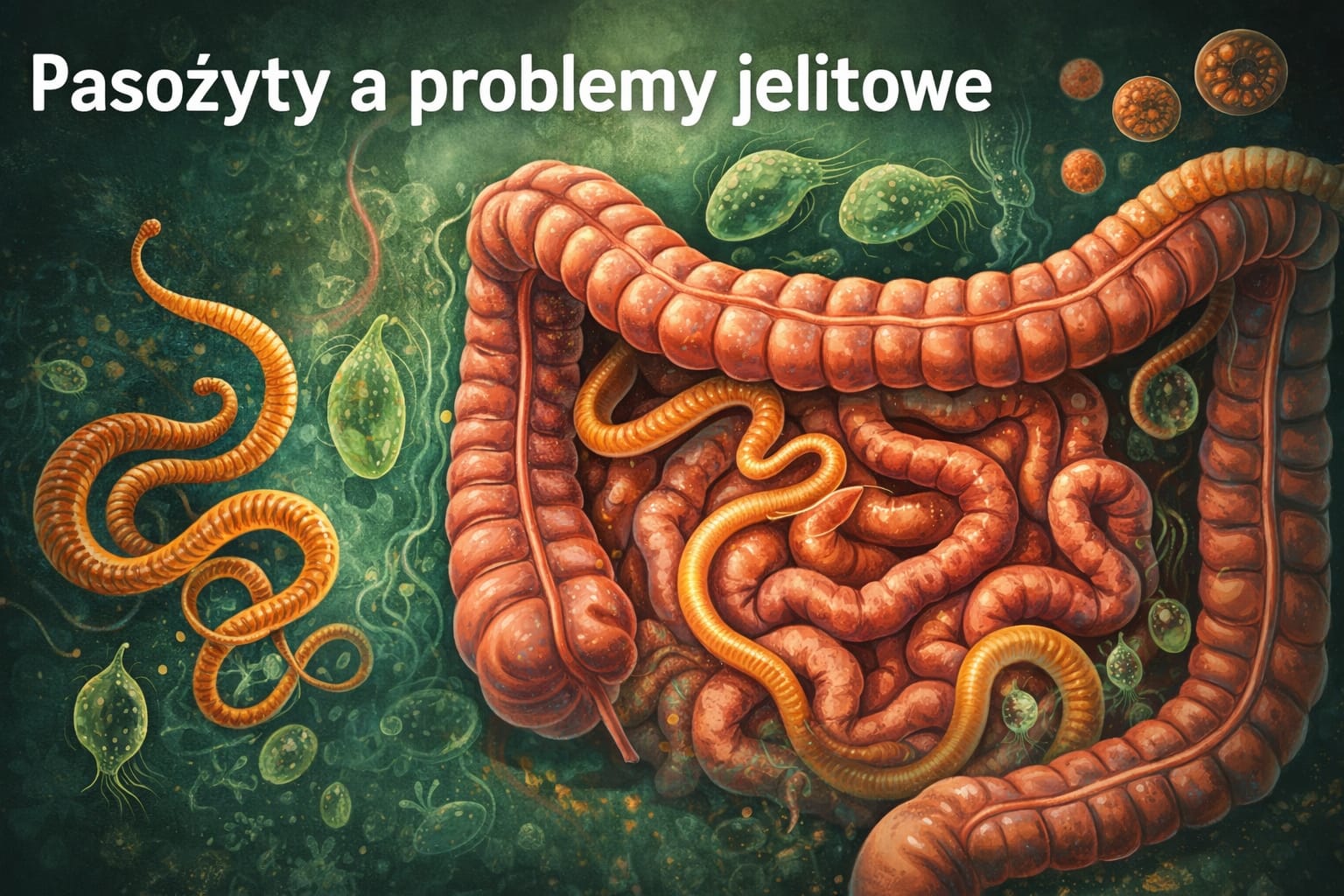
The intestines play an extremely important role in the functioning of the entire body. It is in them that most of the processes of digestion and absorption of nutrients take place, as well as an important part of the immune system response. In recent years, more and more attention has also been paid to the microorganisms that inhabit the intestines, the so-called gut microbiome.
In the context of intestinal health, a number of factors come up that can affect gut function. One topic that is sometimes discussed in health-related literature and articles is the issue of parasites and their potential impact on the digestive system.
Parasites are organisms that live at the expense of their host. In the environment, they are part of the ecosystem and can be found in water, soil, food or animals. In certain situations, they can also appear in the human body.
In this article, we’ll take a closer look at how parasites can be linked to gut function, what gut symptoms are sometimes discussed in this context, and why the microbial balance of the gut is so important to overall well-being.
The digestive system is one of the most important systems in the human body. It is responsible not only for the breakdown and absorption of nutrients, but also for many regulatory processes.
Among other functions, the intestines perform such functions as:
It is estimated that a large part of the cells associated with the immune system are located right in the gut. This means that the state of the gut can affect not only digestive processes, but also the overall health of the body.
Therefore, any factors that may affect the gut – including diet, lifestyle or the presence of various microorganisms – are often analyzed in the context of health.
The digestive system is one of the places where various microorganisms can appear. This includes bacteria and fungi, as well as some parasites.
Many species of parasites use the digestive tract as a habitat or stage in their development cycle. Some can reside in the intestines for a period of time, taking advantage of nutrients present in the host body.
Depending on the type of parasite and the individual characteristics of the human body, their presence can proceed in different ways. In many cases, the body copes with various microorganisms through natural defense mechanisms.
At the same time, the topic of parasites is sometimes raised in the context of various gastrointestinal symptoms.
One of the symptoms that are sometimes discussed in the context of bowel function is bloating.
Flatulence can have many different causes. They are most often associated with:
Some studies also mention the possibility of the influence of various microorganisms on intestinal processes. In the case of parasites, this mechanism may be related to their presence in the intestinal environment.
This does not mean, of course, that every bloating is related to parasites. In most cases, their cause is dietary or lifestyle factors. However, the topic is sometimes analyzed in the context of overall intestinal balance.
The process of digestion is a complex mechanism involving many steps – from the breakdown of food in the stomach to the absorption of nutrients in the small intestine.
In a properly functioning body, these processes run smoothly and allow efficient utilization of nutrients supplied with the diet.
When the intestinal balance is disturbed, various digestive ailments can occur, such as:
In the context of parasites, it is sometimes pointed out that their presence can affect the intestinal environment and processes in the digestive system.
One of the most interesting areas of modern health research is the gut microbiome.
The microbiome is a vast community of microorganisms inhabiting the human gut. It consists primarily of bacteria, but also includes other microorganisms.
Among other things, the microbiome influences:
For this reason, the importance of maintaining a proper intestinal microbial balance is increasingly emphasized.
The topic of the possible influence of parasites on the microbial environment of the gut also appears in some studies. Interactions between different microorganisms in the gut are very complex and the subject of numerous studies.
Gastrointestinal symptoms can have many different causes. Some of the most commonly described include:
However, it is worth remembering that similar symptoms can appear in many different situations and do not always have one specific cause.
Therefore, in the case of persistent intestinal problems, it is always a good idea to look at the body in a holistic way and take into account various factors, such as diet, lifestyle and the overall condition of the body.
The condition of the intestines can be linked to many lifestyle elements. Some of the most important include:
Healthy eating habits and taking care of the body’s balance can support proper bowel function.
More and more people are also paying attention to the importance of the gut microbiome and the role of a diverse diet in maintaining its balance.
The digestive system affects not only the digestion process, but also many other aspects of the body’s functioning.
The literature increasingly emphasizes the so-called gut-brain axis, which indicates a link between gut health and overall well-being.
This means that intestinal balance can make a difference:
Therefore, taking care of gut health is sometimes seen as one of the important elements of preventive health care.
The intestines are one of the key elements in the functioning of the human body. They are responsible for digestion, absorption of nutrients and supporting the immune system.
In the context of intestinal health, various factors that can affect intestinal function are often analyzed. A possible link between parasites and intestinal problems is also one of the topics discussed in health articles.
Parasites can enter the human body through various routes, and in certain situations can appear in the gastrointestinal tract. The literature mentions their potential impact on the intestinal environment, digestive processes and microbial balance.
At the same time, it is worth remembering that intestinal problems can have many different causes. Therefore, it is always worth looking at the body in a holistic way and paying attention to lifestyle, diet and the overall balance of the body.
If you’re interested in the topic of parasites and their effects on the body, it’s also worth exploring other articles discussing the issue more broadly.
1️⃣ Symptoms of parasites in humans
2️⃣ How parasite infection occurs – the most common routes of infection
3️⃣ Parasites and chronic fatigue – can they cause lack of energy?
4️⃣ Parasites and intestinal problems
5️⃣ Parasites and skin problems
6️⃣ Parasites in your life
7️⃣ Human flukes – parasites of the liver and bile ducts
.
If this topic is important to you
Leave your email – I’ll let you know when there are new articles
and materials on the site.
No spam. Only valuable content.



We use cookies to improve your experience on our site. By using our site, you consent to cookies.
Manage your cookie preferences below:
Essential cookies enable basic functions and are necessary for the proper function of the website.
These cookies are needed for adding comments on this website.
Google Tag Manager simplifies the management of marketing tags on your website without code changes.
Statistics cookies collect information anonymously. This information helps us understand how visitors use our website.
Google Analytics is a powerful tool that tracks and analyzes website traffic for informed marketing decisions.
Service URL: policies.google.com (opens in a new window)
SourceBuster is used by WooCommerce for order attribution based on user source.