
Many bioactive compounds of natural origin show limited absorption when used in conventional oral forms. This is particularly true for substances that are poorly soluble in water or prone to degradation in the digestive system.
This group includes, among others:
It is worth looking at this topic from a practical perspective — considering both duration of action and overall cost.
A standard intravenous curcumin infusion, depending on the dose, typically costs in the range of £500–1300 per session. A relatively high dose is administered at once, resulting in a rapid increase in blood concentration.
This makes intravenous delivery a valuable tool in situations where immediate support is needed.
At the same time, pharmacokinetic data shows that the presence of such compounds in plasma is relatively short-lived — usually measured in hours rather than days. The body quickly metabolizes and eliminates excess amounts.
As a result, in order to maintain an effect, infusions are typically performed periodically, often 1–2 times per week.
Liposomal delivery follows a different model.
Instead of a single high peak, smaller doses are administered regularly, allowing for a more stable level of the compound over time.
From a cellular perspective, the key factor is not the peak concentration at a given moment, but the duration of exposure.
This is why liposomal forms are particularly relevant for long-term processes such as:
In this context:
Intravenous infusion can be seen as a rapid, high-impact intervention.
Liposomal delivery provides a complementary, continuous approach that supports the body between such interventions.
Rather than replacing one another, these approaches can function within the same model — addressing different physiological needs.
To further evaluate the performance of liposomal formulations, biodistribution and pharmacokinetic studies are planned in cooperation with an academic institution.
The objectives include:
These results will allow future communication to be based strictly on measurable data rather than assumptions.
Scientific evidence suggests that liposomal systems:
In practice, this represents a different approach to working with the body — less intervention-based, more systemic and continuous.
Intravenous infusions provide rapid support when needed.
Liposomal technology supports longer-term physiological processes through sustained exposure.
For a more detailed explanation of liposomal mechanisms and their application in herbal formulations, see:
Liposomal herbal supplements
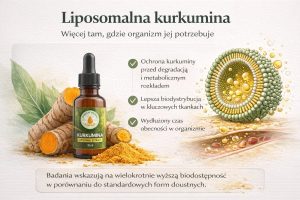
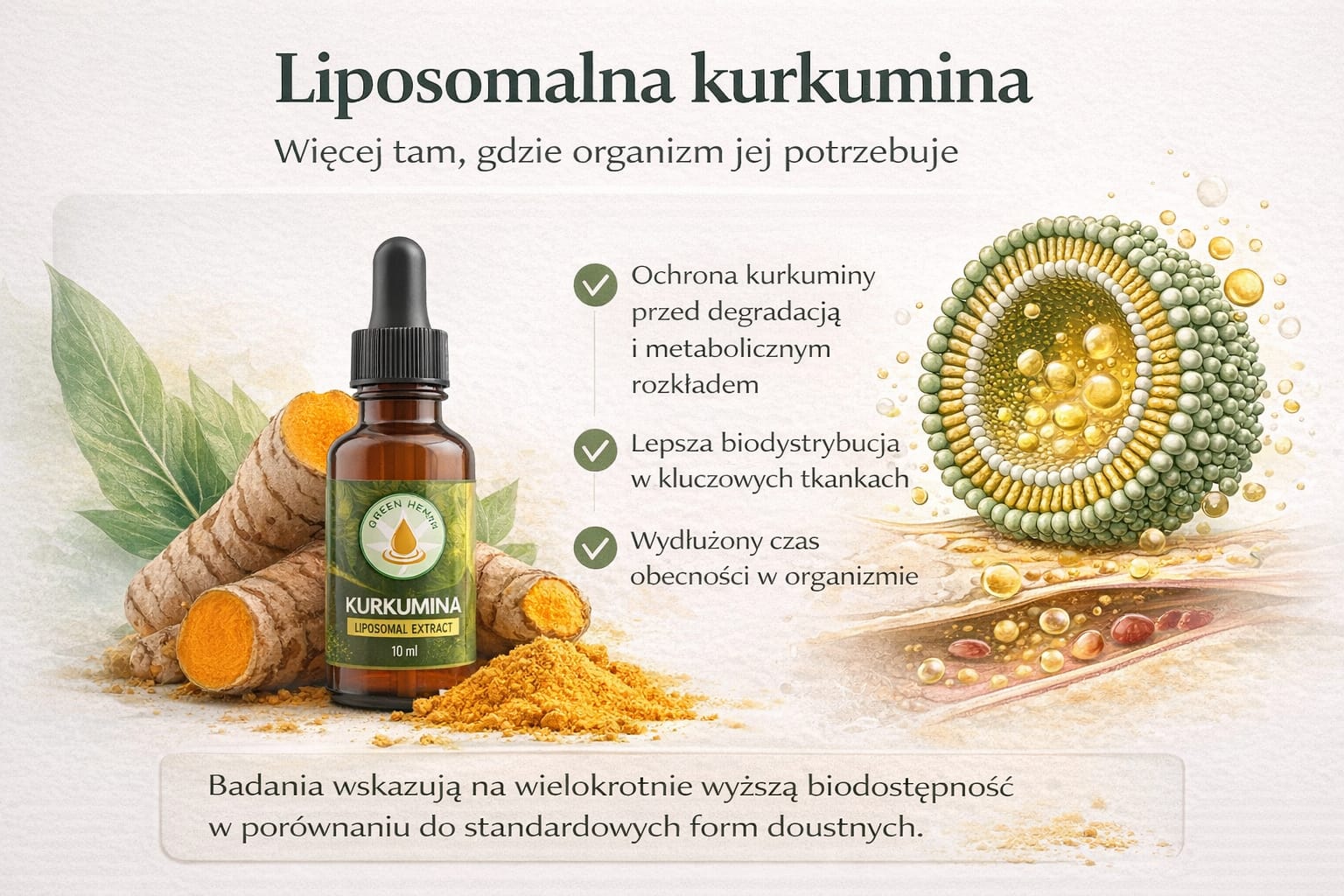
One practical application of this approach is liposomal curcumin. By protecting the molecule and improving biodistribution, it enables more stable and predictable effects at lower, regularly administered doses.
This is particularly relevant in long-term support strategies, where continuous cellular exposure is more important than short-term peak effects.
See product:
Liposomal curcumin 10ml
More about nanoemulsion technology:
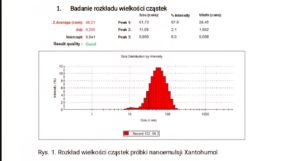
nanoemulsion-50-nm
References
.
If this topic is important to you
Leave your email – I’ll let you know when there are new articles
and materials on the site.
No spam. Only valuable content.


We use cookies to improve your experience on our site. By using our site, you consent to cookies.
Manage your cookie preferences below:
Essential cookies enable basic functions and are necessary for the proper function of the website.
These cookies are needed for adding comments on this website.
Google Tag Manager simplifies the management of marketing tags on your website without code changes.
Statistics cookies collect information anonymously. This information helps us understand how visitors use our website.
Google Analytics is a powerful tool that tracks and analyzes website traffic for informed marketing decisions.
Service URL: policies.google.com (opens in a new window)
SourceBuster is used by WooCommerce for order attribution based on user source.